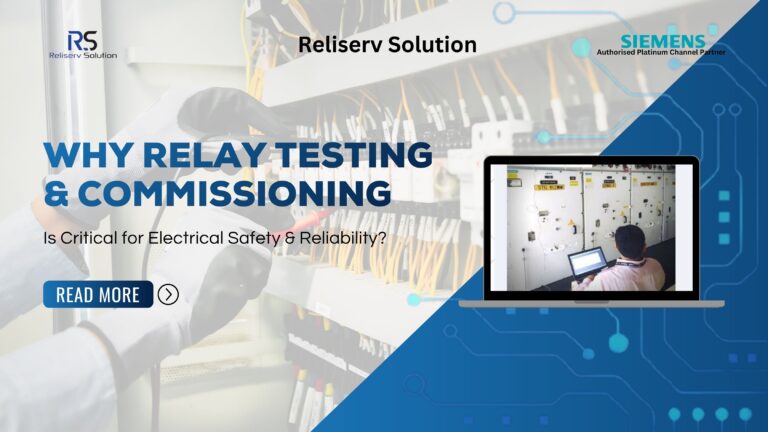
Supply is essential for productivity and safety. One crucial factor in achieving this reliability is relay testing and commissioning services. These services ensure that protective relays work as intended and prevent electrical faults from causing widespread damage.
Without proper testing and commissioning, even the most advanced relays can fail at critical moments. This may result in electrical outages, damage to equipment, and potential safety risks. That is why both utility companies and industrial plants invest in relay testing services as part of their maintenance and operational plans.
What Are Relay Testing and Commissioning Services?
Relay testing and commissioning services involve checking, calibrating, and verifying protective relays before and after installation. These relays are devices designed to detect electrical faults and send trip signals to circuit breakers.
The process ensures:
- Correct relay operation under different fault conditions
- Accurate time delays for tripping
- Proper coordination with other protection devices
- Reliable communication between equipment
When relays are tested and commissioned correctly, the power system becomes safer and more dependable.
Why Relay Testing Services Are Important
Protective relays are like the nervous system of an electrical network. They detect problems and respond quickly to isolate faults. Without relay testing services, these devices might fail silently, only showing issues during an actual fault.
Some key benefits of relay testing include:
- Improved safety for personnel and equipment
- Reduced downtime by preventing major outages
- Better fault detection accuracy
- Compliance with regulations and industry standards
- Prolonged equipment life through proper coordination
Testing ensures that the system will respond as designed, even in extreme situations.
The Role of Commissioning in Power Systems
Commissioning is the final step before a relay becomes part of the operational network. During relay testing and commissioning services, experts verify the entire protection scheme, not just the relay itself.
This includes:
- Confirming correct wiring and connections
- Verifying control logic settings
- Testing under simulated fault conditions
- Coordinating protection across multiple devices
By performing these checks, commissioning experts ensure the system works as planned from day one.
Human Perspective: Why It Matters for Field Engineers
For many field engineers, relay testing services are more than a checklist. They are a safeguard against sleepless nights worrying about unexpected faults.
Imagine a substation engineer knowing that every relay has been tested and verified. That confidence allows them to focus on system upgrades, future projects, and preventive measures instead of dealing with avoidable emergencies.
In the words of a senior engineer I once met:
“Good relay testing is like wearing a seatbelt—you hope you never need it, but when you do, it saves you.”
Steps Involved in Relay Testing and Commissioning Services
While exact methods vary, most relay testing and commissioning services follow these steps:
- Inspection of physical relay condition and wiring
- Verification of settings against design requirements
- Simulation of different fault conditions
- Measurement of relay response times
- Coordination checks with upstream and downstream devices
- Documentation of test results for future reference
Following a structured process ensures consistent and reliable outcomes.
Understanding Relay Testing and Commissioning Services Cost
The relay testing and commissioning services cost is influenced by multiple factors:
- Number of relays to be tested
- Complexity of the protection system
- Location and travel requirements
- Urgency or after-hours work
- Experience and reputation of the service team
While costs vary, cutting corners on testing can lead to far greater expenses from unplanned outages and equipment failures.
Selecting the Ideal Relay Testing and Commissioning Services Provider
Not all providers are the same. Selecting the right relay testing and commissioning services provider ensures you get skilled technicians, accurate results, and dependable service.
Key qualities to look for:
- Proven industry experience and technical expertise
- Access to modern testing equipment
- Strong safety record
- Positive customer references
- Ability to handle large and complex projects
A trusted provider will not only perform the work but also offer guidance for future improvements.
Common Challenges in Relay Testing
Even with modern equipment, challenges can arise during relay testing services:
- Incorrect settings from design errors
- Communication issues between devices
- Environmental factors affecting performance
- Human errors during installation or configuration
Experienced testers can quickly identify and correct these problems before they cause real-world failures.
Best Practices for Effective Relay Testing
To get the most from relay testing and commissioning services, follow these best practices:
- Schedule testing during planned maintenance periods
- Keep detailed records of all test results
- Review the manufacturer’s guidelines before testing
- Ensure coordination between all protection devices
- Update relay settings when system changes occur
A proactive approach reduces the risk of unexpected faults.
Real-World Impact of Proper Relay Testing
In one industrial facility I visited, a relay failed during a critical power surge. Fortunately, recent relay testing services had revealed the issue. The relay was replaced before it could cause a major shutdown.
This incident reinforced the value of preventive testing. For the company, it saved thousands in repairs and avoided days of lost production.
Future Trends in Relay Testing and Commissioning
Technology is changing the way we perform relay testing and commissioning services:
- Automated test equipment reduces human error
- Remote monitoring allows continuous health checks
- Digital twins simulate fault scenarios in detail
- Cloud-based records improve data sharing and analysis
These trends promise even greater reliability for future power systems.
Summary of Key Points
- These services are essential for grid reliability
- Relay testing services detect and prevent potential failures
- Commissioning ensures the entire system works correctly from day one
- The relay testing and commissioning services cost depends on the complexity and scope
- Choosing the right relay testing and commissioning services provider is critical for success
Conclusion
Reliable power systems depend on more than just advanced equipment—they require proper verification and setup to function effectively. Relay testing and commissioning services assure that protective devices will operate correctly when needed.
By investing in relay testing services, companies protect their equipment, ensure safety, and maintain uninterrupted operations. While the relay testing and commissioning services cost may seem like an extra expense, it is a fraction of the price of unexpected outages.
Partnering with a skilled relay testing and commissioning services provider ensures accuracy, reliability, and peace of mind. In the long run, these services are not just about testing relays; they are about protecting the lifeline of modern infrastructure.
Based in Mumbai, Maharashtra, Reliserv Solution is an authorized distributor and supplier of Relay testing and commissioning services. Our specialist goods and services have been beneficial to the panel building industry. For help or inquiries, please contact us by phone at +917506112097 or by email at [email protected]. Please click here to learn more about our Field Services.