In today’s modern industrial world, power quality plays a vital role in ensuring smooth and reliable operations. One of the biggest challenges industries face is managing harmonics in electrical systems. These unwanted electrical disturbances can lead to equipment malfunction, overheating, and energy losses. This is where Harmonics Study and Analysis becomes essential. It helps engineers understand, measure, and mitigate the impact of harmonics in industrial power networks.
This blog explores the importance of Harmonics Study and Analysis, its benefits, methodology, and how it ensures efficiency in industrial power systems.
Overview of the Harmonics Study and Analysis in Power Systems
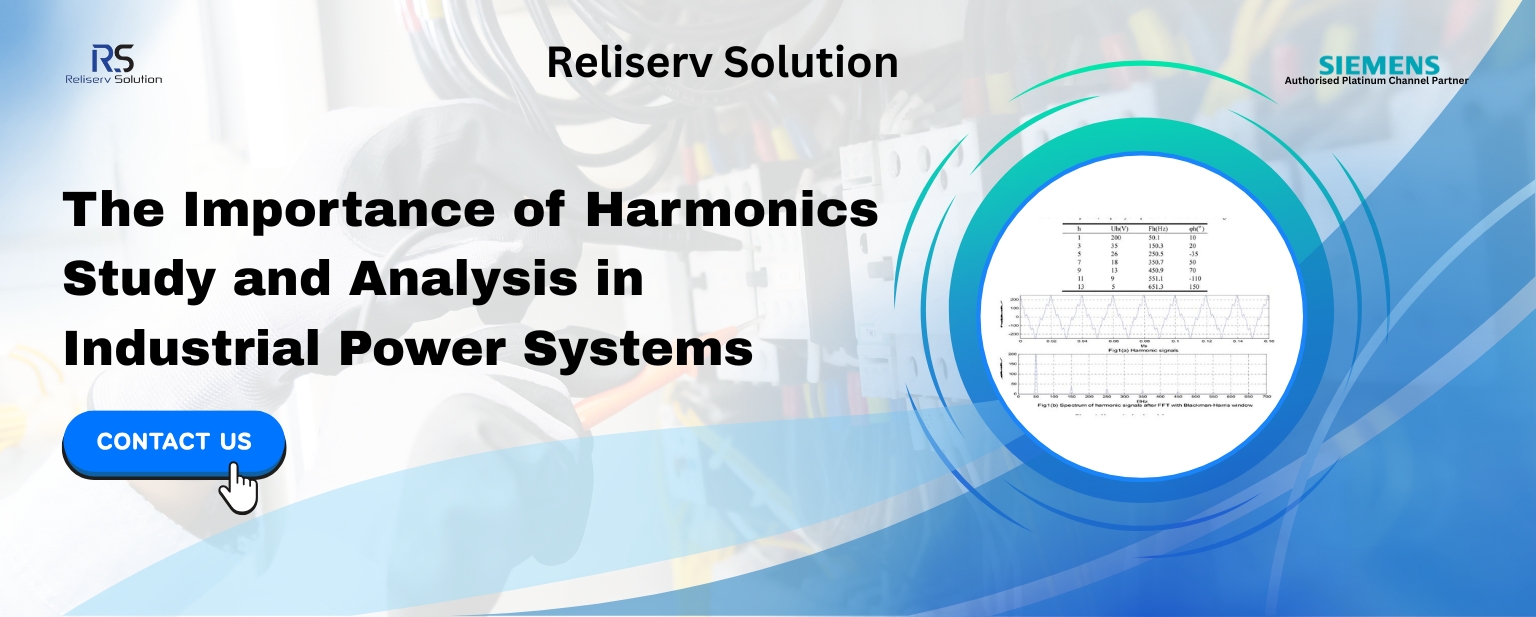
Harmonics are voltage or current waveforms that distort the fundamental frequency of an electrical system. In India, the standard frequency is 50 Hz. When non-linear loads like variable frequency drives (VFDs), computers, UPS systems, or LED lighting operate, they draw current in pulses rather than in a smooth sine wave. This creates harmonic distortion.
In simpler terms, harmonics are unwanted electrical frequencies that add to the main signal and cause distortion. The result is reduced equipment performance and higher energy costs.
The presence of harmonics can be harmful because they:
- Increase heating in cables and transformers.
- Lead to frequent circuit breaker tripping.
- Cause equipment vibrations and noise.
- Shorten equipment lifespan.
- Reduce overall system efficiency.
That’s why a Harmonics Study and Analysis is not just a technical formality—it’s a preventive approach that ensures electrical reliability and system health.
Why Industries Need Harmonics Study and Analysis
In large industries such as manufacturing plants, chemical refineries, or data centers, power systems are complex and loaded with non-linear equipment. Without a Harmonics Study, such systems can suffer from power quality issues that cause operational delays and unexpected failures.
Harmonics Study and Analysis helps in identifying the level of distortion and finding the right mitigation solutions. It gives engineers a clear understanding of where harmonics are generated and how they propagate across the system.
Here’s why industries depend on this analysis:
- Improved system reliability: It ensures that sensitive devices operate within their designed voltage and current limits.
- Energy efficiency: Reducing harmonics improves overall power factor and energy consumption.
- Regulatory compliance: Power utilities set limits for harmonic levels as per IEEE 519 standards.
- Protection of assets: Helps in preventing overheating of transformers, generators, and motors.
Key Objectives of Harmonics Study and Analysis
The main goal of Harmonics Study and Analysis is to evaluate and control harmonic distortion before it causes damage. The study involves measurement, simulation, and recommendations for corrective actions.
Some major objectives include:
- Measuring the Total Harmonic Distortion (THD) in voltage and current.
- Identifying the major harmonic sources in the system.
- Evaluating compliance with international standards.
- Suggesting appropriate harmonic filters or compensation methods.
- Ensuring stable and efficient operation of the power system.
Steps Involved in Harmonics Study
A typical Harmonics Study and Analysis follows a systematic approach. The process ensures accurate diagnosis and effective mitigation.
- Data Collection: Engineers collect detailed information on system loads, equipment, and power flow.
- Measurement: Power analyzers or meters are used to record harmonic levels and waveform distortion in real-time.
- Simulation and Modeling: Using specialized software, engineers simulate the electrical system to study harmonic behavior under different load conditions.
- Analysis: The data is analyzed to identify sources and propagation paths of harmonics.
- Recommendations: Based on the findings, engineers suggest filters, reactors, or system redesigns to control harmonics.
- Implementation and Verification: Corrective actions are implemented, followed by re-measurement to verify improvement in power quality.
Benefits of Conducting Harmonics Study and Analysis
Performing a Harmonics Study and Analysis provides both technical and financial advantages to industries. Some of the most notable benefits include:
- Enhanced Equipment Life: Lower harmonic levels mean less stress on electrical components.
- Reduced Energy Losses: Harmonic mitigation improves system efficiency, saving energy costs.
- Stable Power Quality: Ensures a steady voltage supply, reducing operational interruptions.
- Lower Maintenance Costs: With fewer breakdowns, maintenance frequency and expenses are reduced.
- Compliance with Standards: Ensures that the system meets IEEE 519 and IEC 61000 standards for harmonic limits.
- Improved Safety: A well-balanced system reduces the risk of overheating and fire hazards.
How Harmonics Affect Industrial Equipment
Many industries experience the negative impact of harmonics without realizing their root cause. Excessive harmonics can:
- Cause transformer overheating.
- Lead to nuisance tripping of protection devices.
- Increase wear and tear on motors.
- Create resonance conditions that amplify current distortion.
- Results in inaccurate meter readings.
These problems directly affect production, safety, and profitability. That’s why consulting a trusted Harmonics Study and Analysis Provider is essential for industrial plants.
Solutions to Minimize Harmonic Distortion
Based on the results of the Harmonics Study and Analysis, experts may recommend several mitigation strategies:
- Passive Filters: These use inductors, capacitors, and resistors to block specific harmonic frequencies.
- Active Filters: They dynamically cancel out harmonics using electronic converters.
- Phase Shifting Transformers: Used to balance loads and reduce harmonic propagation.
- Power Factor Correction (PFC): Proper PFC techniques help in improving power quality.
- System Design Improvements: Adjusting load distribution and selecting the right equipment can minimize harmonics.
By implementing these solutions, industries can maintain efficient, safe, and compliant power systems.
Cost and Service Considerations
The Harmonics Study and Analysis Cost depends on several factors, including system complexity, equipment type, and plant size. However, the investment is always justified by the long-term benefits it brings.
A reliable Harmonics Study and Analysis Provider offers end-to-end support—from measurement and analysis to solution implementation. Choosing an experienced provider ensures that the recommendations are accurate, practical, and aligned with industry standards.
Industries That Benefit Most from Harmonics Study
The need for Harmonics Study is universal across many sectors, but some industries rely on it more than others, such as:
- Steel plants and rolling mills.
- Cement and chemical manufacturing.
- Data centers and IT parks.
- Oil and gas refineries.
- Power generation plants.
- Commercial complexes and airports.
Each of these facilities uses several non-linear loads that can easily generate harmonics if not managed properly.
Conclusion
In modern industries, ensuring clean and stable power is not optional—it’s essential. Harmonics Study and Analysis provides the insights needed to detect, evaluate, and reduce harmonic distortion. It improves energy efficiency, extends equipment life, and ensures compliance with power quality standards.
By partnering with a trusted Harmonics Study and Analysis Provider, industries can maintain smooth operations and reduce downtime. Though the Harmonics Study and Analysis Cost may vary, the long-term savings and reliability it brings make it a wise investment.
In the end, good power quality is not just about technology—it’s about trust, safety, and sustaining industrial growth for the future.
One of the top distributors and suppliers of Power System Studies is Reliserv Solution. This company offers a variety of services and tailored solutions to panel builders and other industrial sectors. Its headquarters are in Mumbai, Maharashtra. If you have any queries or issues concerning our Harmonics Study and Analysis, please contact us by phone at +91 7506112097 or by email at [email protected]. Click here to learn more about the Power System Studies.