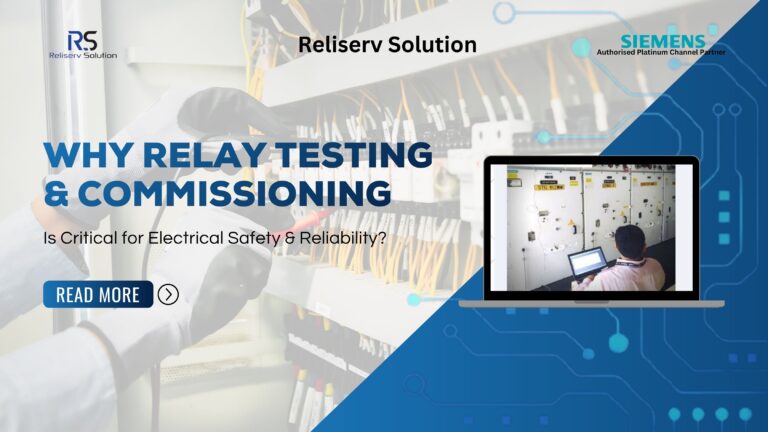
In today’s fast-growing world, electrical grids are the backbone of power supply. Any disruption can cause significant issues. To ensure smooth and reliable operation, relay testing and commissioning services play a vital role. These services help maintain the health of protection relays, which safeguard the electrical grid from faults and failures.
In this blog, we will explore why regular testing and commissioning services are crucial. We will also cover their benefits, how they improve grid reliability, and considerations related to relay testing and commissioning services cost. This article aims to clarify the importance of choosing the right relay testing and commissioning services provider for maintaining a robust electrical system.
What Are Relay Testing and Commissioning Services?
Relays are protective devices that monitor electrical circuits. When a fault occurs, relays detect abnormal conditions and trigger circuit breakers to isolate the problem.
- Relay testing checks whether these relays work correctly.
- Commissioning is the process of installing and verifying new relay systems before they go live.
Together, these services ensure relays operate as intended, protecting equipment and maintaining grid stability.
Why Is Relay Testing Important?
Faults may go unnoticed if relay testing services are not provided on a regular basis. This may result in widespread power outages or damage to equipment.
- Ensures accurate operation: Testing verifies relays detect faults correctly.
- Prevents false trips: Prevents unnecessary shutdowns caused by relay errors.
- Extends equipment life: Early detection of issues prevents severe damage.
- Compliance with standards: Regular testing meets safety and industry regulations.
- Reduces downtime: Minimizes unexpected failures by maintaining relay reliability.
In short, relay testing is a preventive measure that helps keep the electrical grid stable and safe.
The Role of Commissioning Services
Commissioning services ensure that newly installed or repaired relays are ready for operation. This process involves:
- Functional checks of relay settings.
- Testing communication with other devices.
- Validating relay performance against specifications.
- Ensuring integration with the overall protection system
Without proper commissioning, even a new relay might fail when a fault occurs. Commissioning confirms everything works perfectly before the relay is put into service.
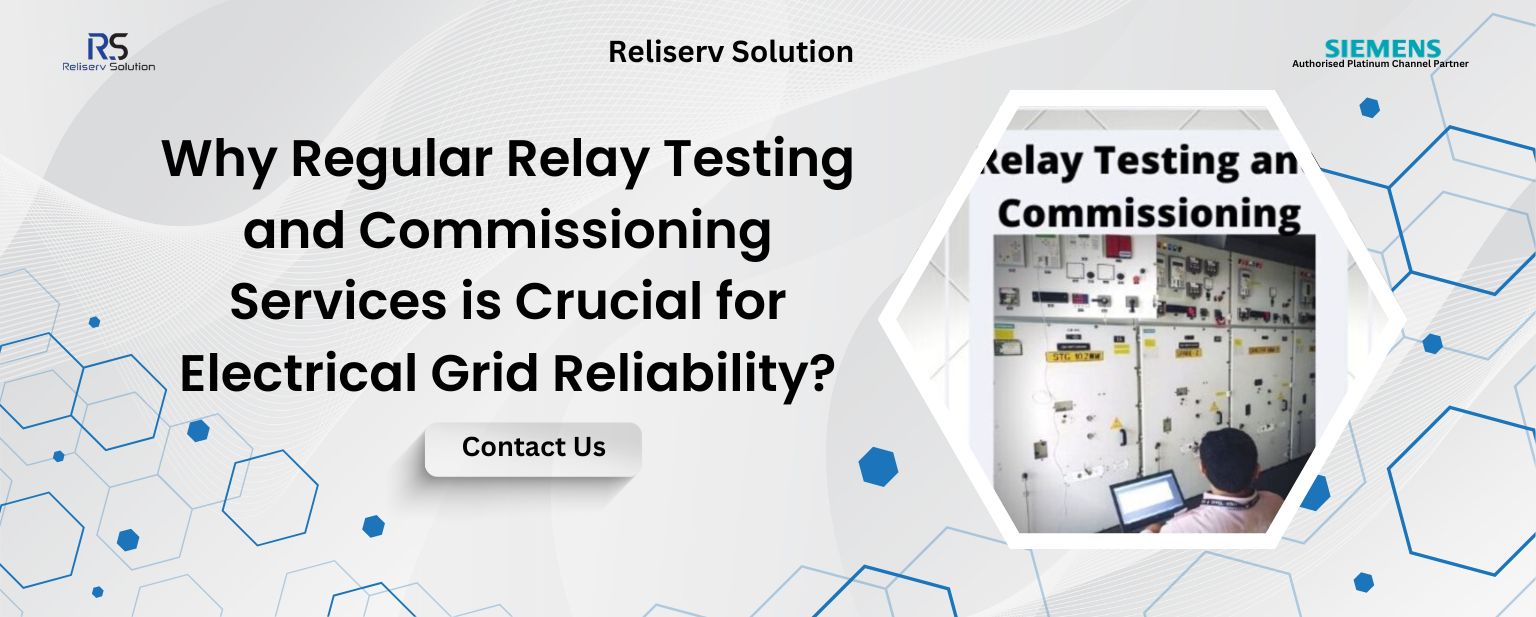
How Regular Relay Testing and Commissioning Services Improve Grid Reliability
The electrical grid consists of many interconnected parts. Reliable protection relays are essential for safe power flow. Here is how regular testing and commissioning services contribute to grid reliability:
- Early fault detection: Finds broken relays before they become an issue.
- Improved fault isolation: Ensures faulty sections are quickly isolated to protect the rest of the grid.
- Consistent performance: Maintains relay accuracy over time.
- Prevention of cascading failures: Stops small faults from escalating into larger blackouts.
- Enhanced safety: Protects personnel and equipment by reducing risks.
- Compliance assurance: Keeps systems in line with national and international standards.
By maintaining relay health, these services help avoid costly downtime and power interruptions.
Types of Relay Testing Services
Relay testing is not a one-size-fits-all process. There are several types of tests used to verify relay condition:
- Primary injection testing: Tests relay operation by applying actual current.
- Secondary injection testing: Simulates signals to check relay logic.
- Testing for contact resistance: Determines the relay contacts’ resistance.
- Trip timing tests: Checks response times of relays.
- Insulation resistance testing: Evaluates relay coil insulation.
Each test targets different relay functions, ensuring a thorough evaluation.
Factors Influencing the Cost of Relay Commissioning and Testing Services
The testing and commissioning services cost depends on multiple factors, such as:
- The number of relays to be tested.
- Complexity of the relay types.
- Location of the electrical grid.
- Urgency and frequency of testing.
- Equipment and tools used.
- Expertise of the relay testing and commissioning services provider.
Choosing a reliable provider who offers quality service at a fair price is critical. Cheaper services may compromise on thoroughness or safety.
Choosing the Right Relay Testing and Commissioning Services Provider
Selecting the best relay testing and commissioning services provider is vital for your electrical grid’s reliability. Consider the following when making your decision:
- Experience and reputation: Seek out suppliers who have a track record of success.
- Qualified staff: Technicians should have certifications and training.
- Advanced tools: Use of modern testing equipment improves accuracy.
- Comprehensive service: Ensure they offer both testing and commissioning.
- Timely response: Ability to provide fast and efficient services.
- Cost transparency: Clear pricing without hidden charges.
- Customer support: Good communication and after-service support.
A trustworthy provider guarantees your system’s long-term safety and efficiency.
Benefits of Regular Relay Testing and Commissioning Services
Regular testing and commissioning bring multiple benefits to power utilities and industries. Here are some of the top advantages:
- Reliable grid operation: Avoid unexpected power failures.
- Experience and reputation: Seek out suppliers who have a successful track record.
- Safety assurance: Protects personnel and equipment from hazards.
- Longer relay lifespan: Proper care extends relay service life.
- Compliance with regulations: Meets safety and operational standards.
- Better system performance: Enhances overall grid efficiency.
- Improved customer satisfaction: Ensures uninterrupted power supply.
How Often Should Relay Testing Be Done?
Relay type, operational conditions, and regulatory requirements are some of the variables that affect how frequently relay testing services are provided. Typical guidelines include:
- Every 1 to 3 years for standard protective relays.
- More frequent testing for relays in critical or harsh environments.
- After major maintenance or system upgrades.
- Following any relay failure or trip incident.
Consult your service provider for customized testing schedules.
Common Challenges in Relay Testing and Commissioning
While vital, relay testing and commissioning have challenges:
- Access to remote sites: Grid locations may be hard to reach.
- Complex relay systems: Modern relays have intricate functions.
- Downtime during testing: Power may need to be disconnected.
- Cost considerations: Balancing thoroughness with budget limits.
- Skilled manpower: Shortage of trained technicians in some areas.
A professional relay testing and commissioning services provider can help overcome these challenges efficiently.
Why You Should Prioritize Relay Testing and Commissioning
Regular testing and commissioning services are the foundation of a dependable electrical grid. They ensure protection relays operate flawlessly to safeguard equipment and prevent outages. Investing in these services reduces risks, lowers maintenance costs, and complies with safety standards. It also enhances grid performance and protects your power supply infrastructure.
Choosing the right relay testing and commissioning services provider ensures you get expert support with modern tools and reliable processes.
Conclusion
Reliable electricity supply is critical for every industry, business, and home. Ensuring the protection relays in your electrical grid function perfectly is a must. Regular relay testing and commissioning services play a key role in achieving this reliability.
By preventing relay failures and false trips, these services maintain grid stability and protect costly equipment. Moreover, partnering with a trustworthy relay testing and commissioning services provider guarantees expert care and timely support.
Make regular relay testing a priority to avoid unexpected power interruptions. Doing so will save you money, protect your assets, and keep your electrical grid running smoothly.
Reliserv Solution, a Platinum Channel Partner of Siemens, is a trusted distributor and supplier of Siemens Numerical Relays. Based in Mumbai, Maharashtra, the company provides a wide array of services and customized solutions for panel builders and various industrial sectors. If you have any questions or need assistance regarding the relay testing and commissioning services, feel free to contact us at +91 7506112097 or email us at [email protected]. To explore one of the popular Services, click here.